Barrier

BARRIER TECHNOLOGY

Baritainer Packaging

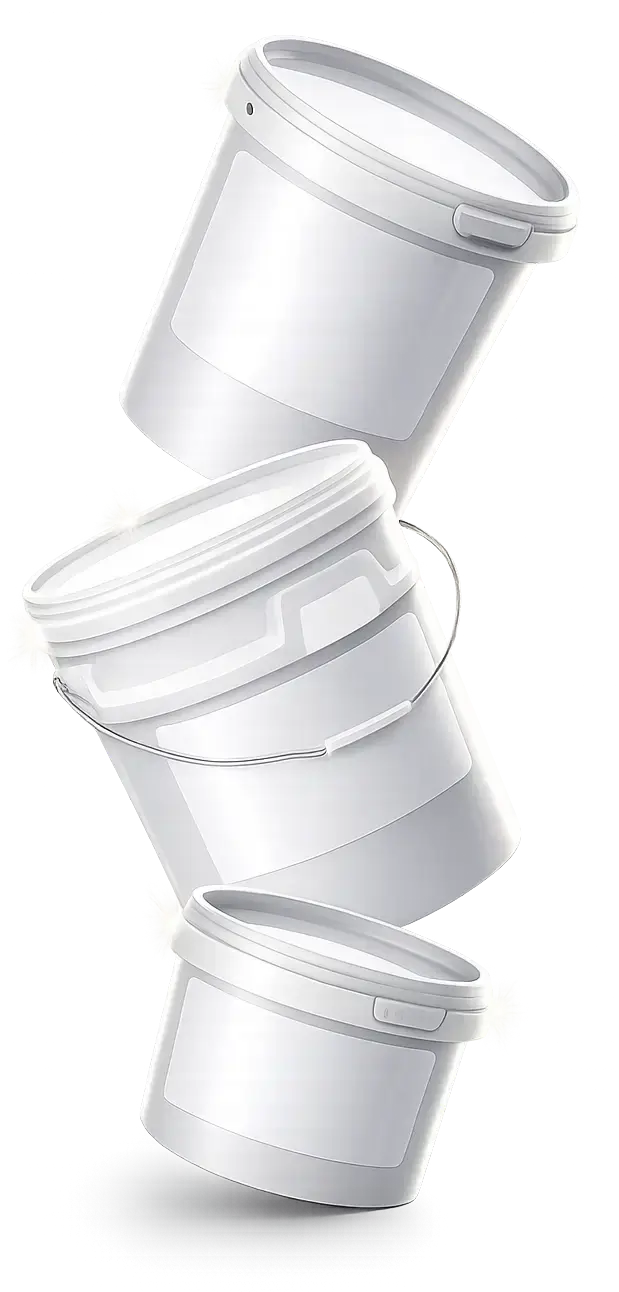
Baritainer is Class Plastics’ mono-layer barrier technology designed to reduce permeability compared to standard polyethylene containers. It supports stronger containment, safer handling, and better long-term protection during storage and transport. If your product tends to permeate through standard HDPE over time, Baritainer helps to reduce product loss and improve stability in the packaging.
THE CHALLENGE

Product Permeation

Standard HDPE is naturally permeable. Over time, certain liquids can pass through container walls as vapour or gas molecules. This can lead to product loss, odour transfer, and residue on the outside of the container. Permeation is more common with hydrocarbons and high solvent-based products, and it can create handling, storage, and safety concerns in real-world use.
WHY IT MATTERS

Stronger Containment, Better Efficiency

Baritainer supports demanding applications where long-term containment and product stability matter. Key advantages include:

    • Reduced product loss and odour transfer over time

    • Does not have a half life, the barrier is always present

    • Approved for storing and transporting dangerous goods

    • Improved logistics efficiency, with up to 25% higher packing capacity on a given footprint

    • Well suited to hydrocarbons, high solvent-based chemicals, and aromatic flavours and ingredients

Pail feature image2

THE SOLUTION

Barrier Built Into the Container

Baritainer is designed as a cost-effective alternative to glass, metal, and fluorinated containers. While fluorination can be effective, a post-manufacturing treatment that adds significant cost per unit. Baritainer is designed on monolayer extrusion by blending a nylon polymer additive with HDPE during manufacturing using a controlled process. The result is reduced permeability in a solution that remains practical for industrial scale.

THE CHALLENGE

Product Permeation

Standard HDPE is naturally permeable. Over time, certain liquids can pass through container walls as vapour or gas molecules. This can lead to product loss, odour transfer, and residue on the outside of the container. Permeation is more common with hydrocarbons and high solvent-based products, and it can create handling, storage, and safety concerns in real-world use.

THE SOLUTION

Barrier Built Into the Container

Baritainer is designed as a cost-effective alternative to glass, metal, and fluorinated containers. While fluorination can be effective, a post-manufacturing treatment that adds significant cost per unit. Baritainer is designed on monolayer extrusion by blending a nylon polymer additive with HDPE during manufacturing using a controlled process. The result is reduced permeability in a solution that remains practical for industrial scale.

WHY IT MATTERS

Stronger Containment, Better Efficiency

Baritainer supports demanding applications where long-term containment and product stability matter. Key advantages include:

    • Reduced product loss and odour transfer over time

    • Does not have a half life, the barrier is always present

    • Approved for storing and transporting dangerous goods

    • Improved logistics efficiency, with up to 25% higher packing capacity on a given footprint

    • Well suited to hydrocarbons, high solvent-based chemicals, and aromatic flavours and ingredients

Pail feature image2

READY TO SPEC

What We Need From You

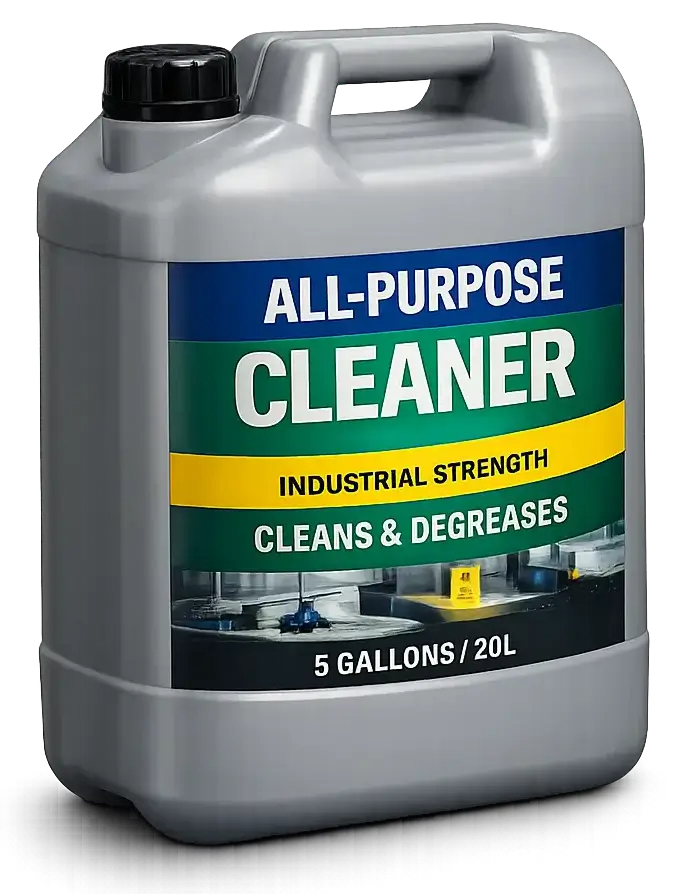
If your product has previously shown permeation issues in standard HDPE, we can provide Baritainer samples for you to test under your own in‑house conditions. Simply let us know what you are packaging and the container size you need for testing. If available, sharing your SDS helps us ensure the samples supplied are appropriate. Our team can then guide you on next steps based on your evaluation results.
jerry can with label (1)

FAQ

Common Questions

What is permeation?

Permeation is when vapour or gas molecules pass through the surface of a solid material. Some liquids can slowly permeate through standard HDPE over time.

How is Baritainer different from fluorination?

Fluorination is a post-manufacturing treatment. Baritainer’s barrier property is built into the container during manufacturing through material blending and process control.

Is Baritainer suitable for dangerous goods?

Yes. Baritainer is approved for storing and transporting dangerous goods.

Which products benefit most from barrier technology?

Barrier technology is often suited to hydrocarbons, high solvent-based chemicals, and aromatic flavours and ingredients where permeation risk is higher.

How can we help your business?

Online Quote

Product Type (can select multiple)

Online Quote

Product Type (can select multiple)